Capturing the Celestial Light in Icelandic Winter
Essential advice for photojournalists and travelers tracking the Northern Lights across sub-zero Arctic terrain.
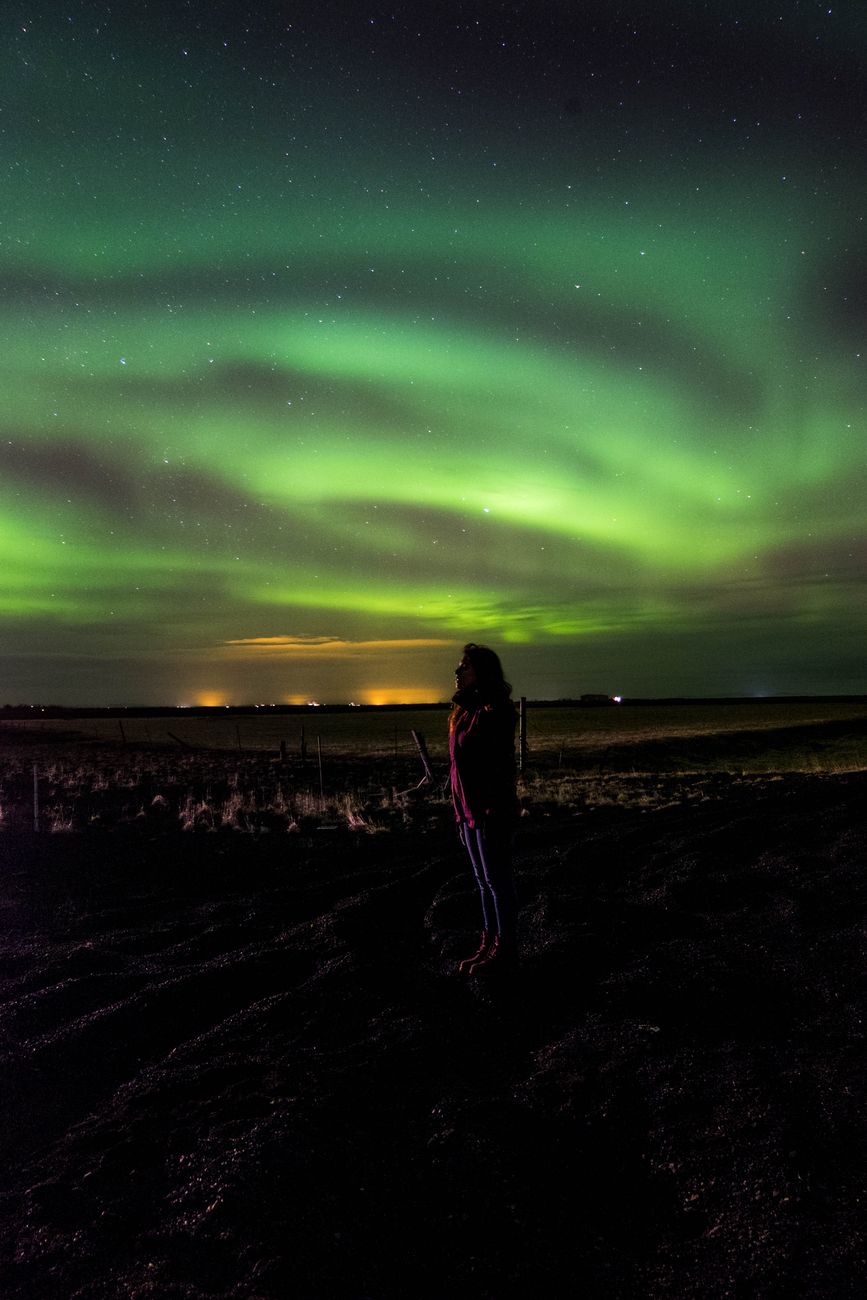
Standing upon volcanic black sands at midnight while emerald ribbons dance across the Arctic troposphere is an experience that defies adequate verbal description. However, photographing the phenomenon requires rigorous planning.
1. Gear Preparation in Freezing Temperatures
Sub-zero conditions drain camera lithium-ion batteries rapidly. Keep spare power packs stored inside interior coat pockets close to body heat, and use insulated lens wraps to prevent condensation when returning indoors.
2. Scouting Locations Away from Light Pollution
Head inland toward the Highlands or coastal fjords near Vik and Höfn where artificial light is nonexistent. Glass-domed eco-lodges provide ideal vantage points without exposure to freezing polar winds.
3. Exposure Settings
Use a fast prime wide-angle lens (f/1.4 to f/2.8), manual focus set to infinity, and ISO settings between 1600 and 3200 with shutter speeds under 6 seconds to capture sharp wave patterns in the curtain of light.
Arctic Expedition Planning
Plan your winter expedition to Iceland or Lapland with 111111 private guides and custom super-jeep support.
Explore Expedition Services